
Why Am I So Tired in Winter? 5 Ways to Ease the Winter Blues
Nov 05, 2026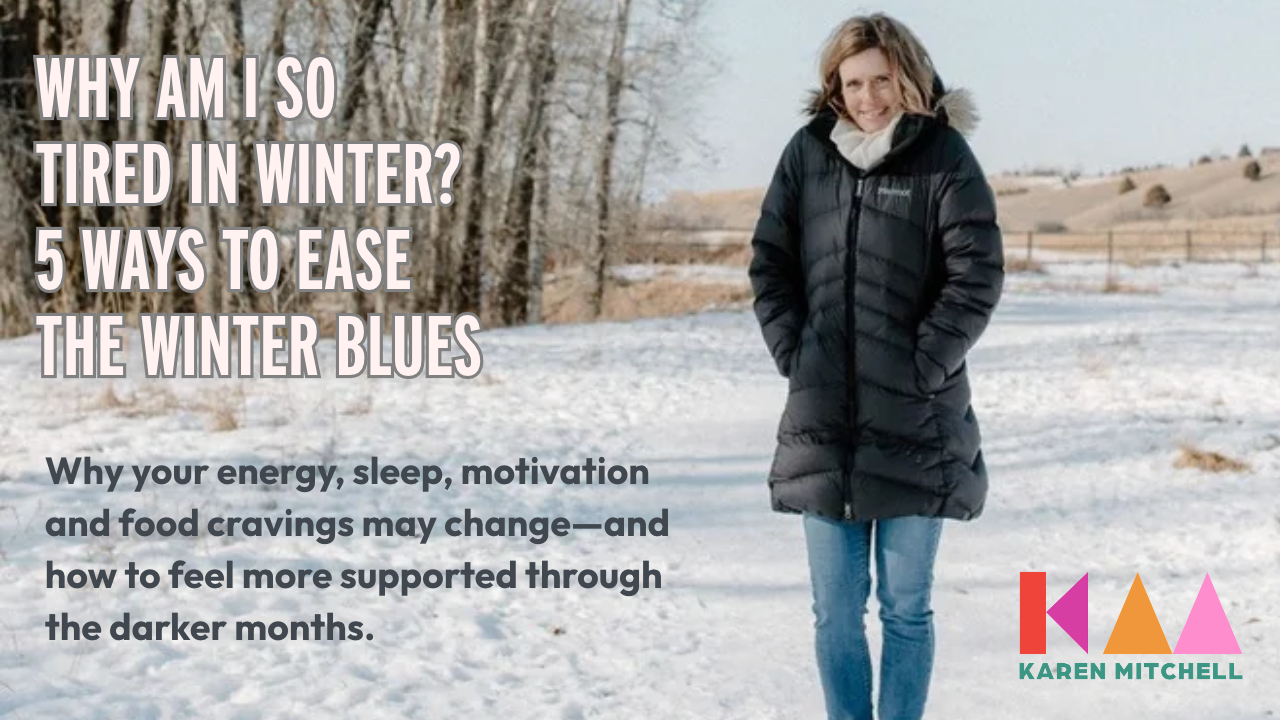
Right about now, in late October, I begin to feel the urge to slow down, savor the season and begin cocooning into myself and my home. I’ve mostly put the garden to bed, sweaters and coats have been brought out of hibernation, and I’ve usually started a new knitting project. This year, I’m looking forward to the change that winter brings.
But it hasn’t always been that way for me.
In my late twenties, I began noticing a malaise that arrived in January and continued into early spring. It was harder to motivate myself or get up off the couch. I felt aimless, and no amount of time in bed made that feeling go away. I assumed I must be doing something wrong to make myself feel this way.
By my early thirties, I began relying on sheer willpower to get through the darker months. I forced myself off the couch, forced a smile and pretended I was happy. But by my late thirties—yes, it took me a long time to see this rhythm—I began learning about seasonal affective disorder, or SAD, and recognized parts of myself in it.
With this new awareness, I bought a Happy Light and called it good. But as I went more deeply into my health and wellness research and training, I learned there were other ways I could support my energy and emotions during winter. I began to understand that these seasonal changes were not a reflection of my character or a lack of willpower. I also learned that the harshness of a Montana winter wasn’t the entire explanation.
I learned about the natural ebb and flow of the seasons and how shorter days can affect our circadian rhythm, cravings, sleep, mood and energy. I also noticed how my own life changed with the winter season: I spent less time in daylight, moved less, reached for more calorie-dense foods and, at times, became hermit-like without even realizing it.
Winter was affecting me, but so were the ways my daily life changed in response to winter. Once I understood that, I had useful information I could use to support my body through the colder and darker months.
Why Winter Can Affect Your Energy, Sleep and Motivation
Light is one of the primary signals that helps the body understand when to sleep and when to be awake.
For many generations, the bright light of morning and the darkness of night synchronized the human body’s internal circadian rhythm with the Earth’s 24-hour clock. As humans gained access to various forms of indoor lighting and technology, we began spending more time indoors in dimmer daytime light and more time at night exposed to brighter light than we did 100 years ago.
This light-dark cycle helps regulate our circadian rhythm, the internal timing system that influences sleep and wakefulness along with many other processes throughout the body. When we leave home before sunrise, spend most of the day indoors and return home after dark, our exposure to natural daylight can become surprisingly limited.
These modern shifts in light exposure and circadian rhythm may also influence melatonin production, serotonin and appetite during the darker months.
None of these changes may seem particularly significant on their own. Together, however, they can affect how energetic, motivated and connected we feel.
Why Do I Sleep More in Winter and Still Feel Tired?
Sleeping longer does not always mean sleeping better.
During winter, longer periods of darkness can make it more difficult to feel fully awake in the morning. Some people go to bed earlier or spend more time in bed but still wake feeling sluggish or unrefreshed.
Sleep duration is only one part of restorative sleep. The timing and consistency of sleep matter, as do daytime light exposure, movement, stress, alcohol use and how often sleep is interrupted. You can spend eight or nine hours in bed and still feel exhausted if your sleep is fragmented or your daily rhythm has become inconsistent.
In addition, changing light exposure can send mixed signals to the hypothalamus, influencing when melatonin is released and contributing to more persistent tiredness during the day.
This is where I would start when making changes for winter. Early morning light can have meaningful effects on the brain and the body’s other processes.
Why Does Motivation Feel Harder to Find?
Low energy and low motivation often reinforce one another. We’re not meant to feel the same, do the same and perform the same, day in and day out, all year round.
When you feel tired, it becomes harder to initiate the activities that might help you feel more alert and engaged. You skip the walk because you are tired, but staying indoors means you receive less daylight and movement. You cancel plans because leaving the house feels difficult, but more time alone can make the season feel even heavier.
Winter also adds practical friction. A walk that felt easy in July may require traction cleats, gloves, a headlamp and a careful look at the weather. Getting out of the house requires more effort, so it makes sense that motivation may change when the task itself has changed.
Supporting your sleep can help with motivation, and moving with a friend can offer extra motivation. I find that putting on your shoes is a good motivator, too. Once they’re on, why not take them for a walk around the block?
The goal is not to force yourself to maintain your summer routine. It is to create a winter rhythm that helps you to feel your best.
Why Do Carb Cravings Increase in Winter?
I view cravings as information, and carbohydrate cravings do not necessarily mean you lack discipline.
Winter changes the foods many of us naturally want. A cold salad may be appealing in July but much less so after spending the day in freezing temperatures. Warm bread, potatoes, rice, pasta, soup and baked foods can provide comfort as well as energy.
When you feed the body nutrient-rich foods, the cravings often subside.
So, what can you eat to support your body, heart and mind during winter? Rather than breaking this section into tips, I’ll share a short list of foods to focus on.
- Focus on high-quality proteins to support your neurotransmitters—hello, serotonin! Choose grass-fed, natural meats such as chicken, turkey, lamb, beef and bison, along with wild-caught, dark-fleshed fish like salmon.
- The body loves tryptophan for the long winter nights. Pumpkin seeds and turkey are especially rich in this amino acid.
- Eat the rainbow of vegetables each day to provide the body with a rich spectrum of nutrients.
- Eat your carbohydrates but be smart about it. A jelly doughnut is very different from a sweet potato.
- Essential fatty acids are essential to brain health. Salmon, ground flaxseed, whole eggs and a variety of nuts and seeds can add a good variety of healthy fats.
- Remember that blood sugar balance is a key part of balanced health—check out our guide here!
- Last but not least, check your sugar consumption. Too much sugar can throw the whole system off and take the place of more nourishing food.
Carbohydrates are not the problem. They are an important source of energy, and many nourishing foods contain them. The more useful question is whether you are eating enough throughout the day and whether your meals provide sustained nourishment.
The goal is not perfection in eating. It is to nourish yourself consistently enough that your body feels more balanced.
How Can I Improve My Winter Energy Without Drinking More Coffee?
Coffee may be part of an enjoyable morning routine, but it cannot replace daylight, restorative sleep, substantial food, movement, connection or recovery. If you need progressively more caffeine to maintain your usual pace, it may be worth becoming curious about what the caffeine is helping you push through.
Rather than looking for one solution, begin by creating a winter rhythm in these five areas.
Seek Light Earlier in the Day
Get outside and allow natural light to reach your eyes during the first part of the day whenever possible. If mornings are completely dark, make daylight exposure a priority later in the morning or around lunchtime.
It doesn’t need to be complicated. Drink your tea near a bright window, take a short walk after breakfast or step outside between appointments.
A clinical light box is different from spending time outdoors. If you experience significant seasonal depression or are considering light therapy, speak with a medical or mental-health provider about whether it is appropriate for you.
Create a More Consistent Daily Rhythm
Try to wake, eat and go to bed at reasonably consistent times. Your body will love the predictable cues to help it adjust as daylight changes.
Pay particular attention to the beginning and end of your day. Morning light and movement can help signal wakefulness, while a quieter evening routine can help the body prepare for sleep.
Your winter rhythm may look different from your summer rhythm. That is not a problem. The goal is to work with the season while continuing to support your body, heart and mind.
Eat Enough During the Day
Take an honest inventory of your current eating patterns, and then address any areas that may need more support.
Build meals around protein, colorful plant foods, fiber-rich carbohydrates and nourishing fats. Warm foods may feel more satisfying during winter and are usually easier to digest on colder days. It is normal to adjust eating with the seasons—it’s what our forebears did to survive.
Soups, stews, roasted vegetables, beans, whole grains and slow-cooked meals can provide the warmth and nourishment your body is seeking. Preparing enough for leftovers can also make it easier to eat a substantial lunch when your motivation or energy is low.
If you are concerned about vitamin D, particularly while living in a northern climate, ask your medical provider whether testing is appropriate for you. Vitamin D is important, but a supplement should not be treated as a guaranteed solution for low mood or fatigue.
Move in Ways That Fit the Season
Movement can support mood, sleep and energy, and it does not have to be strenuous to be worthwhile.
Walk the dog, dance in the kitchen, lift weights, stretch, ski or meet a friend for an indoor walk when the weather is unsafe. Choose something that feels possible on the day in front of you rather than creating an ideal plan that feels too demanding to begin.
A shorter effort still counts. The purpose is not to compensate for what you ate or force your body into a particular shape. It is to provide movement, circulation, stimulation and a break from sitting indoors.
Cultivate Cozy and Community
One of the biggest mindset shifts that helped me overcome my winter malaise was embracing winter rather than dreading it. I now look at winter as the “snuggle-in” season, a time to reflect, settle in, rest and connect deeply with friends, family and hobbies.
This is where the Scandinavian concept of hygge offers something useful. Hygge is about embracing warmth, comfort and meaning during the season.
Light a fire or a candle. Make a pot of soup. Invite someone over without worrying about whether your home is perfectly clean. Walk with a neighbor, volunteer, join a class or make a recurring plan with someone you care about.
Community does not require a crowded calendar. One genuine conversation or a dependable weekly plan may offer more support than filling every evening.
When Winter Fatigue May Be More Than the Winter Blues
Many people notice some change in energy, motivation or sleep during winter. Seasonal affective disorder is different from an ordinary seasonal dip.
SAD is a form of depression with a recurring seasonal pattern. Winter-pattern SAD may include persistent low mood, loss of interest in activities, difficulty concentrating, oversleeping, increased appetite, carbohydrate cravings and social withdrawal.
Food, movement, time outdoors and connection can support overall well-being, but they are not substitutes for mental-health treatment. If changes in your mood are persistent, interfere with daily life or return significantly during the same season each year, speak with a qualified medical or mental-health provider.
Fatigue may also have contributors beyond the season. Thyroid changes, menopause, iron or other nutrient deficiencies, sleep disorders, medication effects and other health conditions can sometimes look like—or become layered on top of—winter fatigue. If you experience fatigue, I always recommend looking into what might be causing it.
If your fatigue is severe, new, worsening or continuing despite changes to your daily routine, seek appropriate medical evaluation rather than assuming you simply need to try harder.
If you are in immediate distress or thinking about harming yourself, call or text the 988 Suicide & Crisis Lifeline.
Create a Winter Rhythm That Supports You
Winter naturally changes our environment, our routines and what feels possible. Let this be your invitation to embrace the change of season and snuggle in.
Choose one place to begin. Get outside while the sun is shining. Prepare enough dinner for tomorrow’s lunch. Put a walk with a friend on the calendar. Create warmth in your home and invite someone to share it.
These practices can offer steady support for your energy, sleep and emotional well-being throughout the darker months.
If winter seems to magnify fatigue, disrupted sleep, food cravings, digestive symptoms or the sense that you no longer feel like yourself, looking at the whole picture can help. Through the Calm Body Project and Private Coaching, I support women in connecting the dots between nutrition, digestion, hormones, stress, sleep, movement and daily life.
You can schedule a Complimentary Conversation to explore whether one of these approaches is the right next step for you.
References:
Nature World News
5 Things to Do to Have Better Mental Health in 2020
Mayo Clinic
Seasonal Affective Disorder (SAD): Symptoms and Causes
Dr. Gregg Jantz – Food for the Brain: How Eating Healthy Fats Can Make You Smarter
https://www.aplaceofhope.com/food-for-the-brain-how-eating-healthy-fats-can-make-you-smarter/
Amen Clinics – Dr. Amen: 8 Mood Foods That Fight Depression
https://www.amenclinics.com/blog/8-mood-foods-that-fight-depression/
14 Effective Ways to Beat Winter Blues
https://bebrainfit.com/winter-blues/
What Is Serotonin and What Does It Do?
https://www.medicalnewstoday.com/articles/232248.php
Light Should Support Circadian Rhythms: Evidence-Based Scientific Consensus
https://www.frontiersin.org/journals/photonics/articles/10.3389/fphot.2023.1272934/full
Beyond Blue Monday: The Real Science Behind Winter Wellbeing
https://www.ageing.ox.ac.uk/blog/Beyond-Blue-Monday-The-Real-Science-Behind-Winter-Wellbeing
Get simple tips to feel like a human again—from one human to another. Join my newsletter today.
